
On a Tuesday afternoon in 2021, my world shifted in a way no financial model could have predicted. I wasn’t looking at a spreadsheet or a credit report; I was looking at a diagnosis of a rare bile duct cancer. As someone who has spent twenty years teaching people how to build “Whole-Health Wealth,” I found myself in a position where my health, the most foundational asset I possessed—was under immediate threat.
The journey that followed, the treatments, the uncertainty, and a life-saving liver transplant, was the hardest “audit” I’ve ever endured. But it also led me to a community I never knew I needed: TargetCancer Foundation.
From Isolation To Impact
Being diagnosed with a rare cancer can make you feel small at first. You feel like a statistical outlier, a data point in a medical journal that most doctors haven’t even read. It’s easy to feel bankrupt of hope.
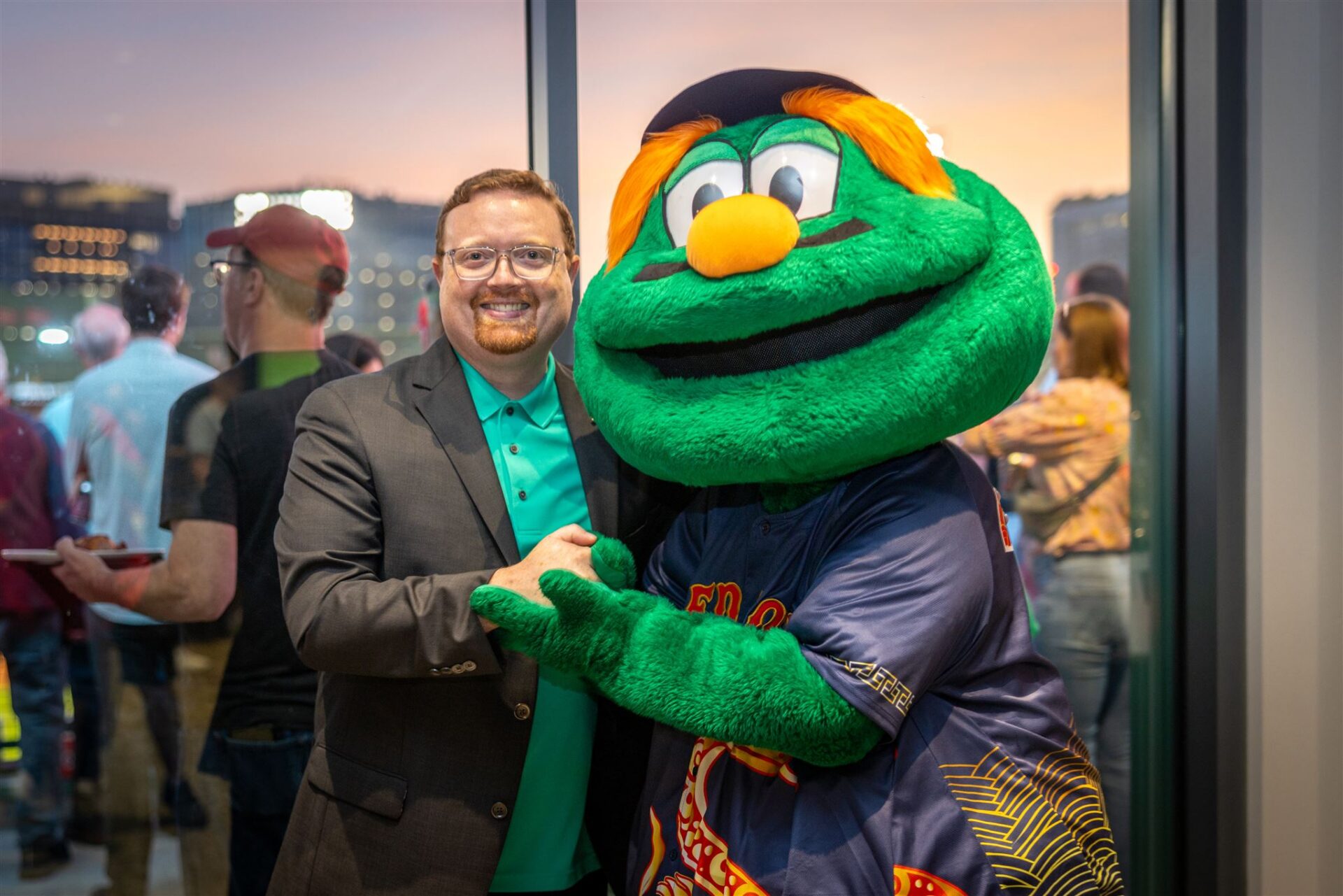
Last year, I attended TCF’s annual event, A Night to Strike Out Rare Cancer, and the atmosphere was a stark contrast to the sterile, lonely rooms of a hospital wing. Walking into that room, I didn’t just see patients and researchers; I saw an investment in the future. I saw people who refused to let “rare” mean “ignored.”
The most moving moment for me wasn’t a speech or a presentation—it was the simple realization that I was in a room where everyone “got it.” There was no need to explain the jargon or the “scanxiety” that accompanies every follow-up. We were all speaking the same language of resilience.
Redefining Wealth Through Research
In my book, Financially Capable: A Friendly Guide to Building Whole-Health Wealth, I talk about how our values and mindsets affect our outcomes. The same is true in the world of rare cancer research. The “market” for rare cancer treatments has been undervalued for a long time. But TCF is changing that return on investment (ROI).
By funding innovative research and providing the TCF-001 TRACK (Target Rare Cancer Knowledge) clinical trial, TCF is giving patients something more valuable than any currency: options and access.
During the event, I had the chance to speak with researchers who are working on the very frontiers of genomic testing. Hearing about the progress being made in precision medicine felt like watching a long-term investment pay dividends. We aren’t just surviving; we are contributing to a body of knowledge that will make the journey easier for the next person diagnosed.
Small Wins, Big Victories
Navigating a rare cancer journey is about celebrating the “small wins.” For me, a small win might be a clear blood test or a day spent without fatigue. But at the TCF event, the big victory was the collective energy.
I remember talking to another survivor about the rituals we develop, the way we prepare for appointments, or the specific way we share news with our families. Those conversations are life-sustaining. They remind us that while our cancers might be rare, our strength is universal.
Why We Show Up
I support TargetCancer Foundation because they understand that rare cancer requires a specific kind of advocacy. They envision a world in which everyone diagnosed with a rare cancer has effective treatment options and a chance to live.
My takeaway from last year’s event was clear: We are not just patients; we are partners in progress. Every dollar raised, and every story shared, is a deposit into a future where “rare” no longer means “untreatable.”
I’m doing this for the person who just got their diagnosis today and feels like they’re standing at the bottom of a mountain. I want them to know there is a community waiting to help them climb. That, to me, is sharpening true wealth.
Matt Paradise is a keynote speaker and rare cancer survivor who helps healthcare leaders understand how human capacity under extreme strain shapes employee performance, patient experience, and organizational outcomes.
Drawing from his lived experience as a patient, caregiver, and someone who has overcome homelessness, addiction, and cholangiocarcinoma, he brings both moral authority and operational insight to his work. He also volunteers with TargetCancer Foundation, advocating for greater awareness, research, and support for people facing rare cancers.