
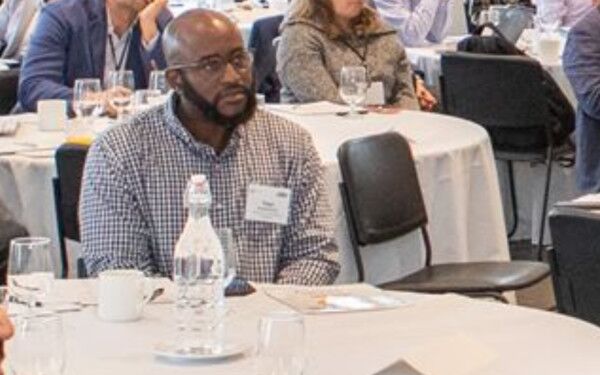
This reflection was written by TCF volunteer Paul Oramasionwu
On October 29, 2025, I spent the day at TargetCancer Foundation’s Think Tank on Advancing Precision Medicine in Rare Cancers at The State Room in Boston. I was there as a volunteer, managing check-in and keeping speakers on schedule (more nerve-wracking than it sounds), and I stayed through the reception to talk with clinicians, genetic counselors, researchers, and fellow supporters.
A bit of background: I’ve been volunteering with TargetCancer Foundation since 2019, mostly behind the scenes doing IT work. I build apps and scripts for data management and automation, and I troubleshoot tech issues as events come together. I do it because rare cancers are devastating and often overlooked, and it’s meaningful to use my skills in support of this work.
The Moment That Made It Real
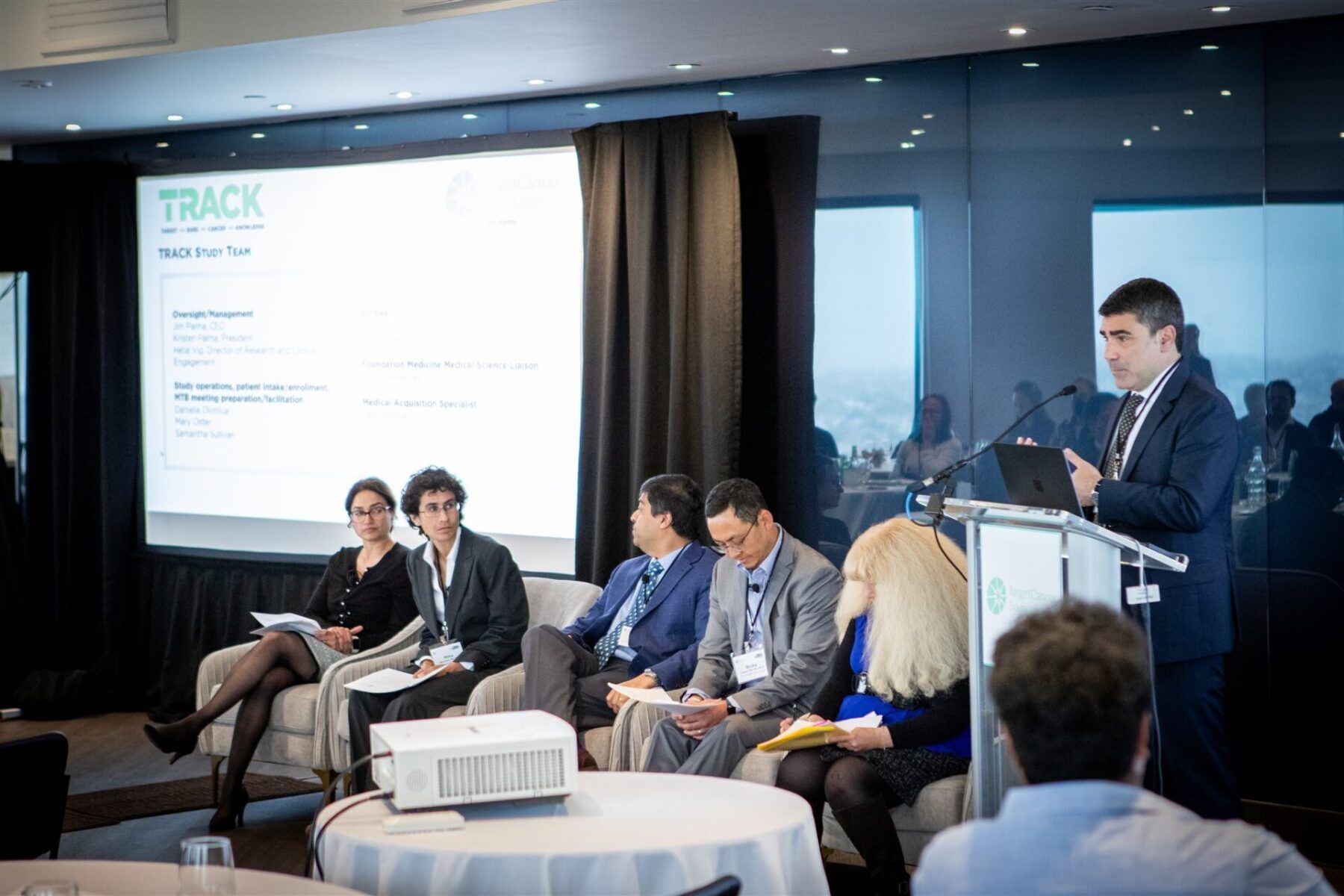
The standout for me was watching a live Molecular Tumor Board (MTB) session unfold. If you haven’t seen one, the MTB brings together specialists who review a real patient’s case and translate complex test results into actionable treatment options. Seeing it happen in real time made everything tangible. Experts pooled their knowledge to chart the next steps for someone’s care.
That is exactly what TargetCancer Foundation’s TCF-001 TRACK program does. It brings comprehensive genomic testing to people with rare cancers wherever they are, then convenes an expert panel to interpret the results and deliver clear, practical recommendations back to the patient’s own doctor. It’s access, expertise, and action in one package, especially when your cancer doesn’t have a standard treatment roadmap.
Why This Work Matters
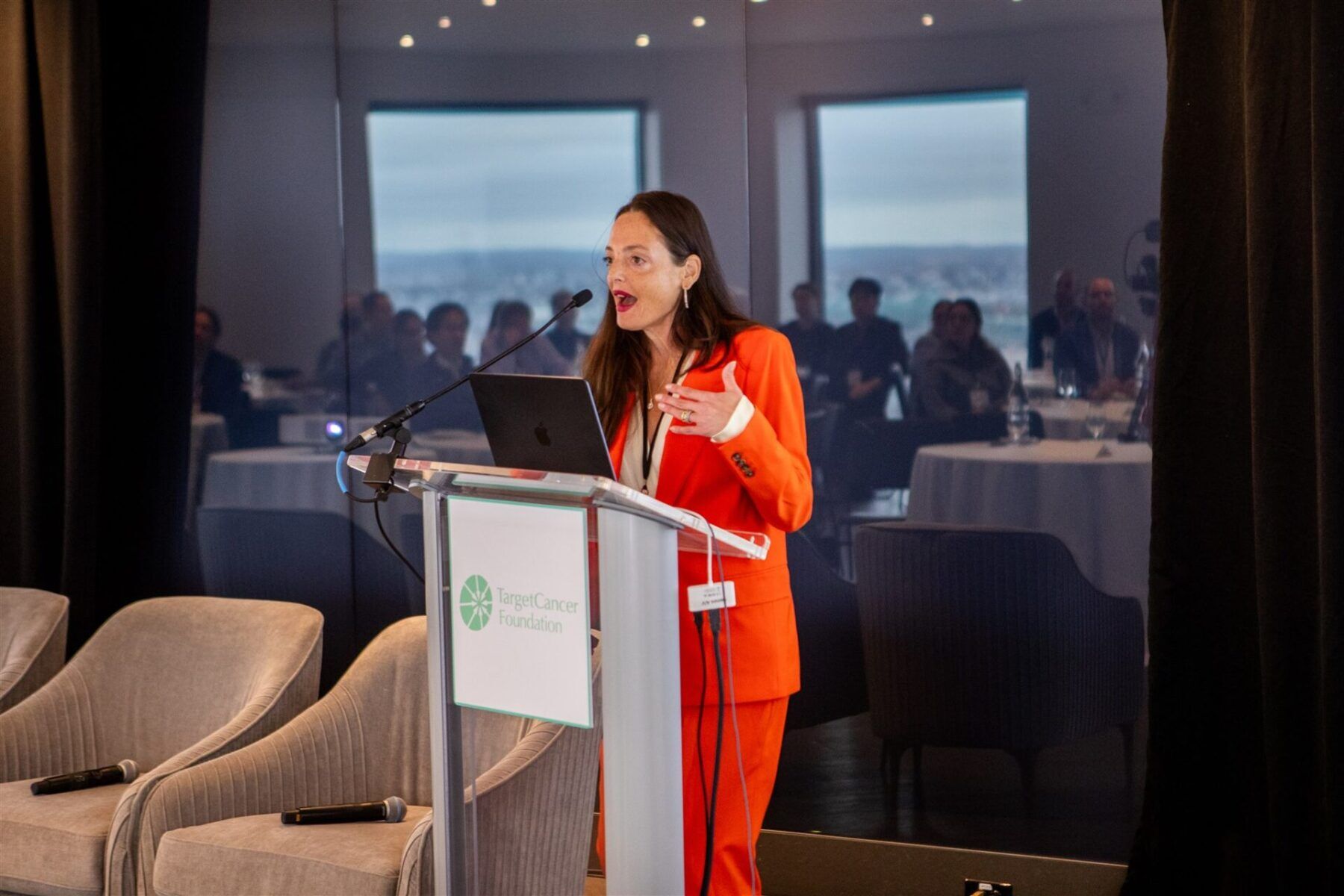
The patient keynote by Leah Christoforidis drove this home. She shared her experience with translocation renal cell carcinoma (tRCC), an ultra-rare kidney cancer, and made a compelling case for more research and support. Her persistence, and how molecular testing guided her treatment, was a powerful reminder that rare cancer patients shouldn’t have to wait for “someday.” They need pathways now: earlier testing, expert interpretation, and real opportunities to access promising therapies.
That sense of urgency connects to a larger theme from the day: patient-centric precision oncology. Dr. Razelle Kurzrock emphasized fitting care to the person. Treat driver mutations wherever they appear, and use single-patient (N-of-1) strategies when that is the most direct path forward. TRACK embodies this approach by testing comprehensively, discussing results with experts, and delivering actionable guidance to the care team.

The Gap Between Discovery and Access
If Leah showed why urgency matters, Dr. Vivek Subbiah showed what slow translation costs patients. He walked through the BRAF V600E story: success in melanoma came first; tissue-agnostic use across different tumor types took years to follow. That delay meant people with the same mutation in other cancers had to wait. The lesson is straightforward: when a biomarker predicts benefit, approvals and access should move quickly, regardless of where the tumor started.
Turning Ideas Into Care
Beyond the big-picture themes, the day included practical discussions on matching therapies to patients—using targeted drugs and antibody-drug conjugates, and on making better use of sequencing data, clinical information, and AI to guide decisions. The specifics get complex fast, but the direction is clear: build a smarter toolkit and use it to get the right treatment to the right person with less guesswork.
What Needs to Change
- Coverage: broader access to comprehensive testing and expert review so more patients can benefit from an MTB, not only those at major centers.
- Faster paths: study designs and policies that help promising treatments reach small populations sooner. Traditional requirements can become impossible barriers in rare cancers.
- Sustained funding: targeted support for rare-cancer research and for programs that turn data into decisions. Without resources, even the best ideas stall.
Moving Forward
We wrapped with a reception that kept the conversations going well into the evening. I left with a simple takeaway: when comprehensive testing, expert interpretation, and practical recommendations come together, people with rare cancers get clearer paths forward. That isn’t just theory—it’s happening through programs like TRACK, and it needs to happen more widely.